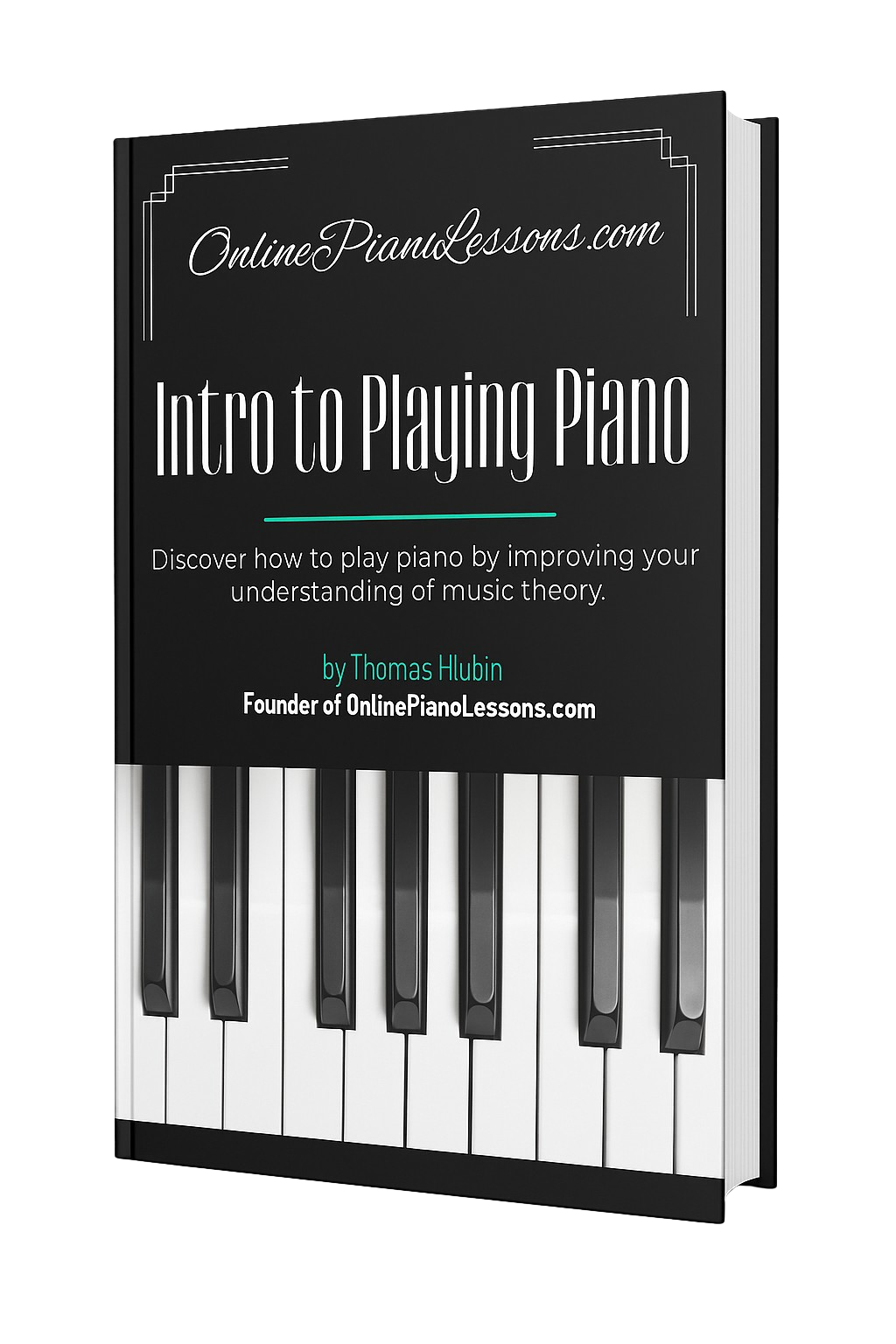
Understanding Piano Scales for Beginners
Understanding Piano Scales for Beginners
One of the fundamental aspects of learning piano is understanding scales. Scales form the basis of melody and harmony, and they are essential for developing your skills as a musician. In the Piano for Beginners Course, Thomas Hlubin breaks down the concept of scales in a way that is easy to understand for beginners.
Scales consist of a sequence of notes that follow a specific pattern. The most common scales for beginners are the major and minor scales. Learning these scales helps you to familiarize yourself with the keyboard and develop your finger strength and dexterity.
The **C Major Scale** is an excellent place to start. It consists of the notes C, D, E, F, G, A, and B. Practicing this scale will help you get used to the layout of the piano and improve your confidence in playing. Remember to practice slowly and focus on hitting each note clearly.
Once you’ve mastered the C Major Scale, you can move on to other scales such as the G Major and F Major scales. These scales introduce you to sharps and flats, which are essential for playing more complex pieces.
Understanding scales is not just about finger exercises; they also play a vital role in music theory. By learning scales, you’ll gain insight into key signatures and how different notes interact with each other. This knowledge will enhance your overall musicianship and make it easier for you to learn songs in various styles.
In conclusion, mastering piano scales is crucial for beginners. The Piano for Beginners Course provides detailed lessons on scales, ensuring you have a solid foundation as you progress in your piano journey. Start your musical adventure today and embrace the world of piano!





Ready to Start Your Musical Journey?
Join the Piano for Beginners Course and unlock your potential today!
Flexible Learning
Learn piano from the comfort of your home at your own pace.
Lifetime Access
Enjoy our comprehensive course with lifetime access for one low price.
Proven Track Record
Thousands of satisfied students have transformed their piano skills.
24/7 Support
Get help whenever you need it with our dedicated support team.


Limited
Limited Time Offer!
$100
Now $49